AI
Products where the model is the product, or where it quietly makes an old job ten times easier.
- Agents and tooling
- Applied AI in a real industry
- Developer infrastructure
Bansko, Bulgaria · Pirin mountains
Startup Bansko is an incubator for early-stage founders working in AI, sustainability, or art. Mentorship, working sessions, startup perks — and a whole town of people building something too.

Run by founders who have been through the incubator and accelerator machine themselves — and built, shipped and scaled.
What we incubate
Pick one or bring a project that sits between them — the applications in the overlap tend to be the most interesting ones we get. Built for early-stage teams, and we weight local impact: things that leave something behind in Bansko count for more here.
Products where the model is the product, or where it quietly makes an old job ten times easier.
Impact that survives contact with a spreadsheet — measurable, and viable as a business.
Creative practice with a business around it — tools for artists, or art that is itself the venture.
The programme
Three months, in person, with a cohort small enough that everybody knows what everybody else is working on.
Founders and operators who have actually shipped. Some live here year-round; others come in for a week. Matched to your track, not assigned by rota.
Working sessions on what early teams get wrong: first users, positioning, pricing, what a pre-seed deck really has to prove, shipping with AI daily.
Credits and discounts across cloud, AI, CRM and tooling — the usual accelerator stack, plus local perks you can’t get remotely.
The real reason to come. You never feel alone here, and the people around you are building the next great thing right beside you.
The programme ends in front of a room: fellow founders, mentors, invited investors and the local community. It’s the deadline that makes the other twelve weeks real — and the reason pitch training starts early rather than the week before.
Why Bansko
Cheap enough to stay three months. Fast enough to work from. Beautiful enough that you don’t want to leave. Small enough that you know everyone by week two.

Excellent wifi, roughly ten coworking spaces, coliving as well as regular rentals, and accommodation affordable enough that three months of thinking isn’t three months of earning.
A settled expat and remote-work scene lives here year-round — not a seasonal pop-up. Nomads return every summer for the nomad festival. Mentors live here.
Pirin National Park starts at the edge of town. Deep focus during the day, and something genuinely worth walking into afterwards.
10% corporate tax, 5% on dividends, no exit tax, inside the EU and Schengen. Cheap to incorporate and cheap to run — we’ll introduce you to the accountants and lawyers. More on setting up →


Two cohorts a year
Pick the season that matches how you work best — or tell us you’re happy with either.

Short days, long evenings, and a town that turns inward. The best cohort if you want to disappear into the work and come out with a product. Ski before the first session or after the last one; recover in the thermal spas.

Light until late and everybody outdoors. Hiking and biking in Pirin, Nomad Fest filling the town with builders, and the jazz festival in the old centre. The best cohort if you want to meet people while you build.
Bulgaria as a base
This is the part founders usually discover late. Bulgaria is in the EU and in Schengen, and the tax regime is the flattest and simplest on the continent — which is exactly what you want when you’re lean and want to think about the product instead of the paperwork.
You don’t have to work out Bulgarian company law from a forum post. We put you in touch with accountants and lawyers who do this every week — company formation, VAT registration, and the monthly bookkeeping after it.
Cheap to incorporate, cheap to run, cheap to live. The whole point is that your runway goes into the product rather than into overhead — and that you can stay focused for the full three months.
Rates shown are the Bulgarian rates in force at the time of writing and are general information, not tax or legal advice — a 2026 proposal to double the dividend rate was tabled and not adopted, so confirm the current position with an accountant before you decide anything. That’s what the introductions are for.
Perks
Startup credit codes and discounts — the same stack incubators and accelerators hand out, so your runway goes further. Plumbing, not a reason to apply.
Cloud credits, AI credits, CRM, design and developer tooling — the services you’d be paying for anyway.
Local perks are the genuinely differentiated half, and no remote programme can match them.
Funding
Fundraising preparation runs through the programme — the deck, the numbers behind it, the data room, and the questions you will actually be asked. Then we open the doors we have.
Routes to small-ticket funding that suit a lean team at the start — the amounts that buy months of runway rather than a growth plan.
Bulgaria sits inside the EU funding landscape, and non-dilutive money is badly underused by early teams. We help you work out which programmes you are actually eligible for.
Introductions to investors and to founders who have recently raised — often more useful than the investor, because they’ll tell you what the process was really like.
What you’re building, who for, and why now — before any deck exists.
The model underneath the story, and the traction to put in front of it.
Assembled properly, then torn apart in practice sessions.
You present, and we open the doors we have. Not asking cold.
To be straight about it: the programme itself is not an investor, and none of this is a promise of money. What we can promise is that you will be ready to ask for it, and that you will not be asking cold.
Who runs it
We’ve been through incubators and accelerators as founders — fundraising, pre-seed, seed and bridge rounds, crowdfunding, scaling up. We know how to filter the bullshit and focus on the core.
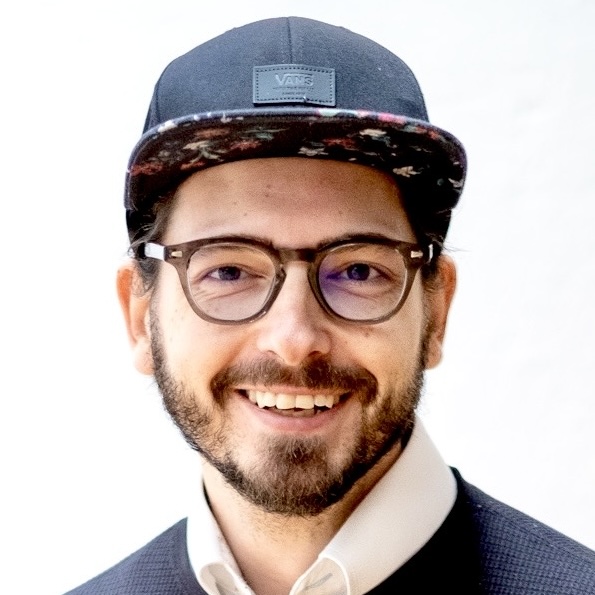
Todor Lazov · Co-founder · Bansko
Serial tech founder. Product Lead & CTO and co-founder of goodbag, rated 5/5 in the Verbraucherzentrale app test and featured in Forbes Bulgaria. Co-founded the first tablet-menu restaurant in the German-speaking world. Born Global Champion (Austrian Federal Economic Chamber). Has worked with IKEA, Denner, Nestlé and Recup through his ventures. Works across AI and sustainability — a fractional AI CTO practice alongside goodbag’s impact work.
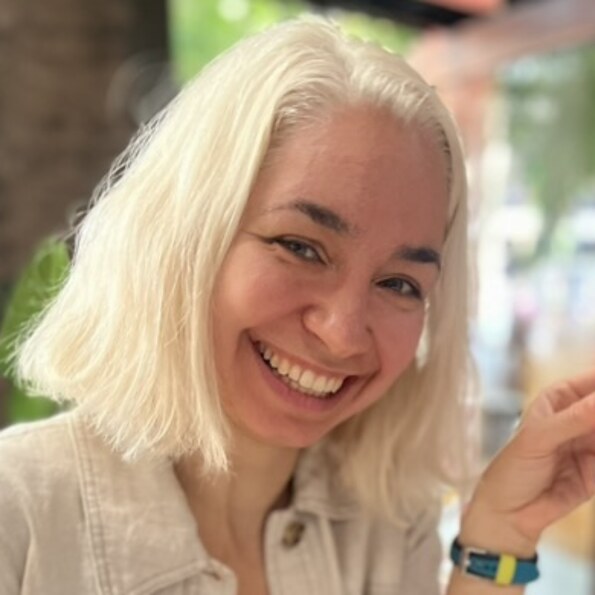
Kat Stam · Co-founder · Bansko
Data scientist and founder, and a professional tech assessor for large companies. Has fought forest fires from space, using AI on satellite imagery. Track record across some of Europe’s most selective startup programmes — the European Space Agency’s startup ecosystem, Google for Startups, and Startup Lisboa. Works across AI and sustainability, and brings the applicant’s-eye view of what a good programme owes its cohort.
FAQ
Early-stage founders — solo or small teams of up to about four — building in AI, sustainability, or art. You should have an idea you’re serious about and three months you can genuinely commit. Open to founders from anywhere, and just as much to people already living in Bulgaria — locals are welcome and actively encouraged to apply.
No. Idea stage is welcome. What we look for is a clear problem, a reason it’s you working on it, and evidence you can ship.
No. Unfunded and bootstrapped teams are the core audience. The application asks about funding so we can match mentors and expectations, not to filter you out.
Three months, in person, twice a year — one winter cohort and one summer cohort.
Winter is quieter and colder, with skiing and thermal spas; the best cohort for heads-down building. Summer has hiking, biking, Nomad Fest and the jazz festival; the best cohort for meeting people. Both do the same programme.
You need to be here for most of the programme. The community is the point and it doesn’t work remotely, so trips away are fine but treating it as a remote programme isn’t.
Pitch training, business model validation, product and UX consulting, fundraising preparation, and workshops across AI, marketing, automation, sales, ops and logistics. Plus mentorship from founders who’ve shipped, weekly accountability, startup perks and credits, the network, and Demo Day at the end.
Long-term stays of around three months typically run between €400 and €600 a month, depending on the apartment and how central it is. There are coliving spaces as well as regular rentals. We help you land somewhere — tell us what you need in the application.
If you’re an EU, EEA or Swiss citizen, freely. Bulgaria has been a full Schengen member since January 2025, so if your nationality has visa-free access you can normally stay up to 90 days in any 180 — which just about covers a cohort. For a longer or more comfortable stay there is the long-stay Type D visa, and since December 2025 a digital nomad visa for remote workers and freelancers earning above roughly €31,000 a year, issued for a year and renewable once. Rules depend on your nationality and change, so confirm your own case with the Bulgarian embassy or consulate — and tell us in the application if you’d like help thinking it through.
No — you don’t need to be incorporated to apply, or to start. You should be incorporated by Demo Day, and part of the programme is helping you get there with the right structure rather than a rushed one.
Usually €300–500 to register the company and get it VAT-registered, then around €150 a month for basic accounting. Notary costs are small. That’s one of the cheapest company setups in the EU, and it pairs with 10% corporate tax and 5% tax on dividends. We’ll introduce you to accountants and lawyers who do this every week.
Yes. Bansko is unusually good for solo founders, precisely because you’re surrounded by other people doing the same thing.
A pitch deck, plus a short description of your idea and your team. The form takes a few minutes.
English.
Apply
Applications are open on a rolling basis for the next winter and summer cohorts. A few minutes now; we read every one and reply either way.